


Scaffolding is the art of adding rows to your dataset. Why would you want to do this?
Imagine you had a new years resolution to work out every day for January. You kept track of the days you worked out - like this!
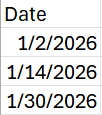
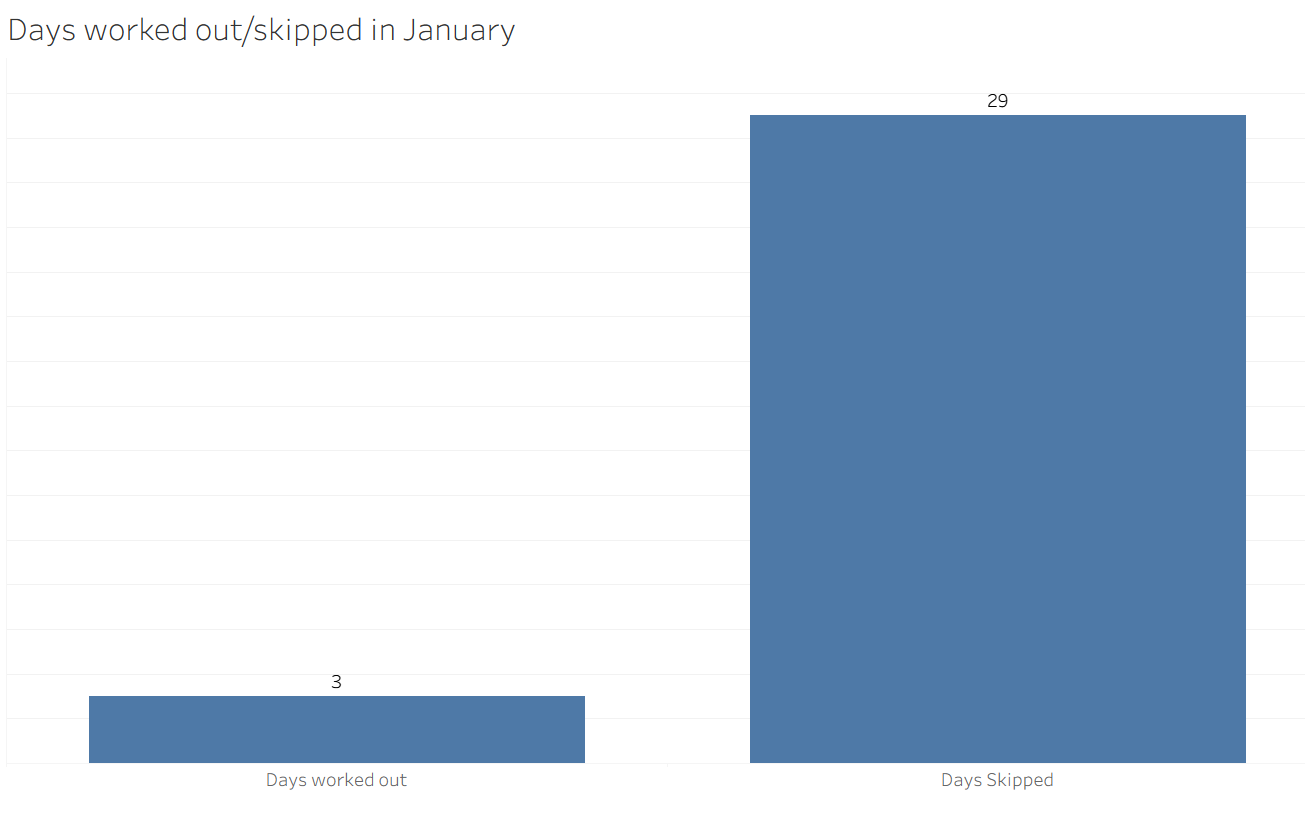
Now you want to build a chart to find out how many days you missed, and scaffolding can help you do that!
First, add a column to distinguish between the rows you added and the rows you currently have.
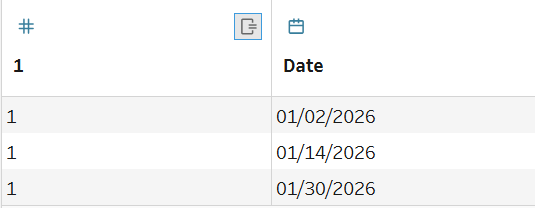
Now add rows for every date of January, and assign a value of 0 to the '1' column:
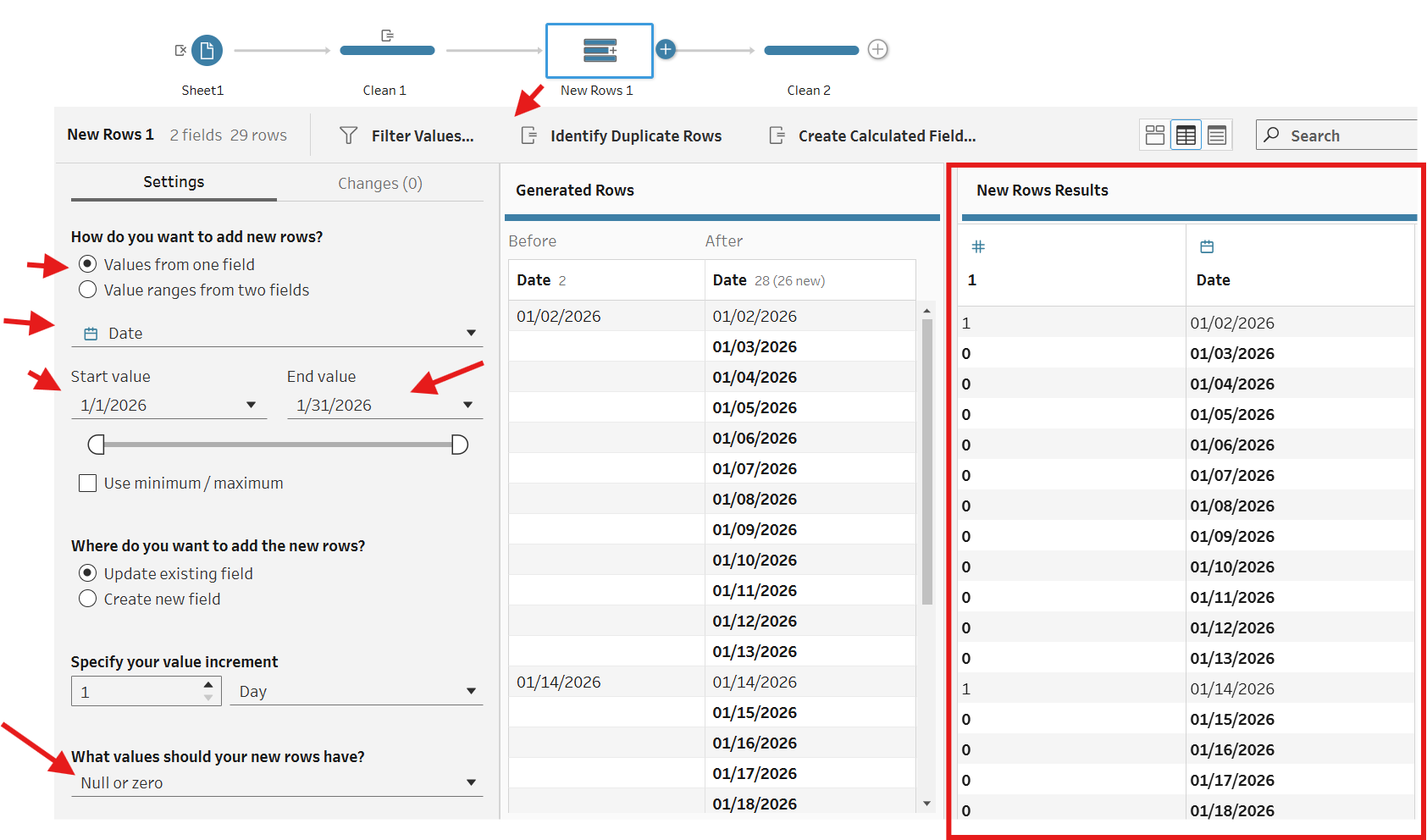
By doing this, you can make charts that track some of the data that was not present in the original dataset:
Of course, there are many more use cases for scaffolding, but this was just a quick overview of why adding rows to your dataset could be useful!